Since I’m currently a grad student in a Book Publishing master’s program, my availability for freelance work is limited for right now. I’m still taking on projects, but I do have to consider the realities of my present schedule when deciding what jobs to accept.
I’ll be able to take on more as I get closer to graduation (summer 2026). This page will continue to develop and get fleshed out as that finish line (that feels so far away now) approaches.
Book Editing, Design, and Coaching


Science & Med Editing


Tutoring & Coaching


Tutoring and test prep for college, graduate, and professional school classes in life sciences
Coaching for book writing and other long-term projects
Disability Advocacy


Curriculum development, talks, and plenary presentations on best practices for disability inclusion.
Tarot Readings


Insights on questions about life decisions, career, relationships, personal growth, and transformation.


Book Editing and Design
There are a lot of steps in the process of book editing, and I’m here to assist authors and publishers with any and all editing stages.
Developmental Editing
Back when I was doing developmental editing but didn’t know its proper name, I called it “global editing” because it means looking at the manuscript as a whole, and giving the author feedback on the big picture.
Topics I often cover in developmental editing include:
- Structure, order, and organization
- Plot, including story arc, pacing, and transitions
- Character development for main, major, and minor characters
- Dialogue
- Worldbuilding
- Conflicting, missing, or repeated elements
- Narrative voice and tone
- Clarity of argument (for nonfiction)
The feedback is delivered via a Developmental Editing letter and is full of suggestions for how to improve on pain points in the manuscript. I’ll often give authors a handful of different options to experiment with to solve any given problem. My hope is that this can serve as a jumping-off point for the author’s own best creative instincts about their work.
My focus in Developmental Editing is to help bring forth the clearest and best realization of the author’s vision for their book, I consult with authors beforehand to get as much info as I can about that authorial vision.
By far, my most experience with DE is in the memoir genre, though I’ve also worked with fiction and other forms of nonfiction.
For a full-length example that demonstrates both the substance of my DE thoughts as well as the supportive framing I take with authors, check out the YA Fantasy DE Letter in my Portfolio.
Line and Copyediting
Line editing and copyediting are likely what most writers think of when they hear the term editing. Though slightly different, they are often performed at the same time, after a manuscript has undergone developmental editing. With the big picture solidified, it’s time to look at the wording of individual paragraphs and sentences, clear up confusions and redundancies, reword for clarity, and fine-tune all the grammar, punctuation, spelling, and usage. Fact-checking can happen at this stage, too.
This is far and away the type of editing with which I have the most experience. I’ve copyedited books in genres such as memoir, narrative nonfiction, general fiction, genre fiction, spiritual, and self-help. I’ve also copyedited shorter-form pieces. My first ever editing gig was for an online music magazine in the early ’00s. I’ve also worked on short stories, essays, and applications and personal statements related to medical education.
Books I’ve done copyediting for at Ooligan:

All the Daughters Sing by Jan Priddy
Publication Date: February 2026
Light/Medium Copyedit
Copyediting Portfolio samples coming soon.
Proofreading
Proofreading involves examining the typeset document (often a PDF or EPUB) and comparing it against the most current edited version of the manuscript, to catch any errors introduced in typesetting, and to catch any persnickety errors that survived the copyediting stage.
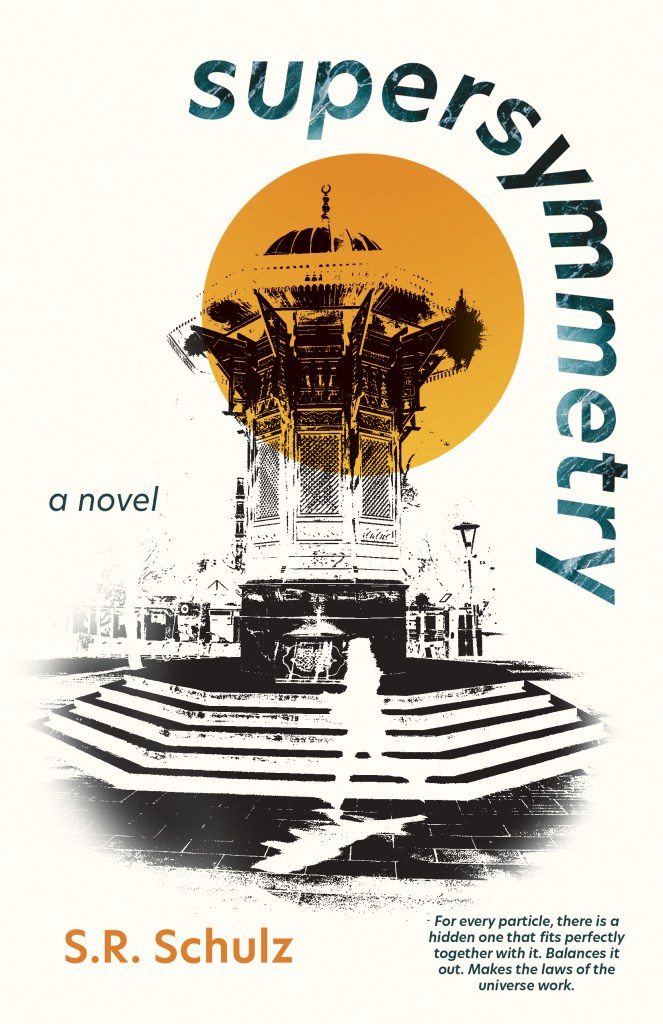
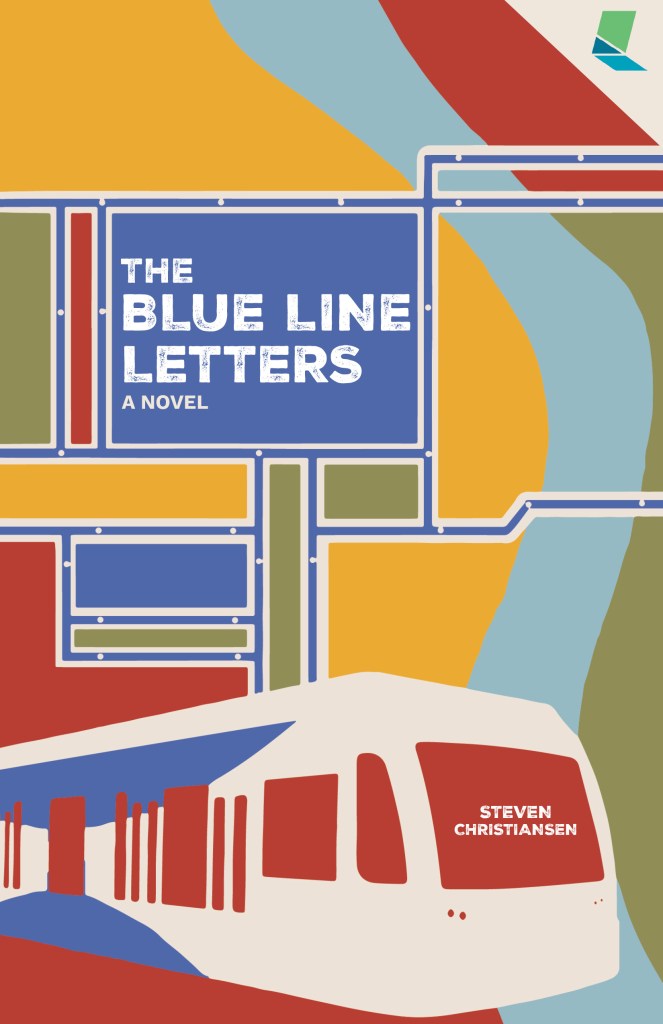
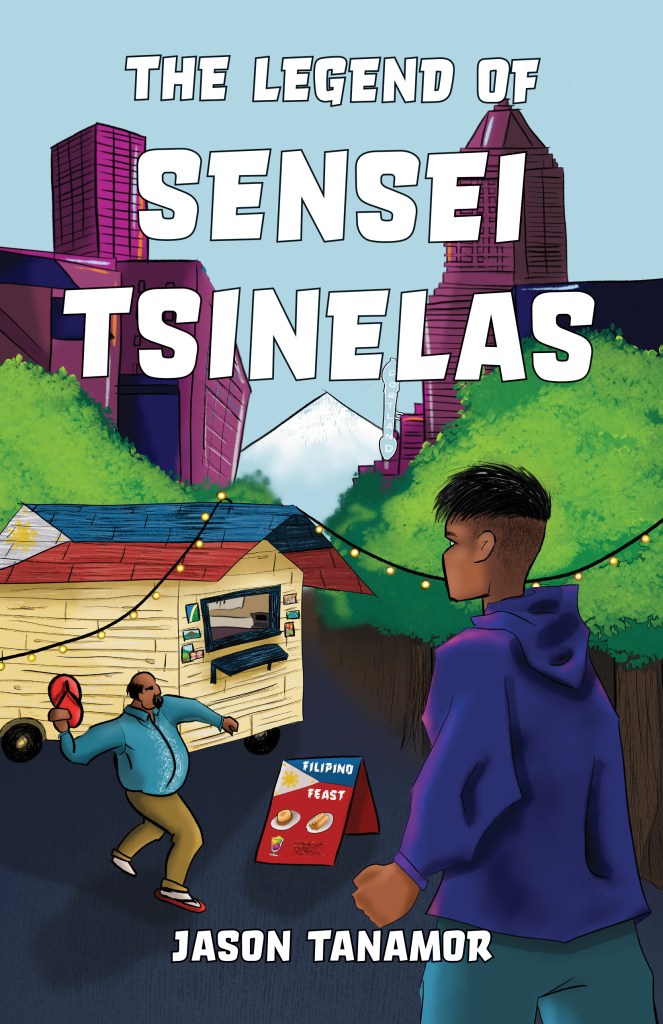
Here are some books I did print or ebook proofing for at Ooligan:
Interior Book Design
The main goal of this stage is laying out a manuscript in Adobe InDesign, making sure the book’s font, size, margins, and other elements are consistent and pleasant to read. Other aspects include creating chapter openers, clearly delineating chapter or section breaks, preserving subtitle hierarchy if needed, and giving the book a cohesive look that’s inviting to readers.
In this realm, my superpower is noticing any layout inconsistencies and fixing them. In fact, with both interior design work and editing, I sometimes like to think that I’m transforming my most annoying qualities (noticing and nitpicking details) into helpful work that supports authors.
You can see several samples of my design work in my Portfolio.
You’ll find design samples from several different genres:
Books I’ve done interior design work on for Ooligan:
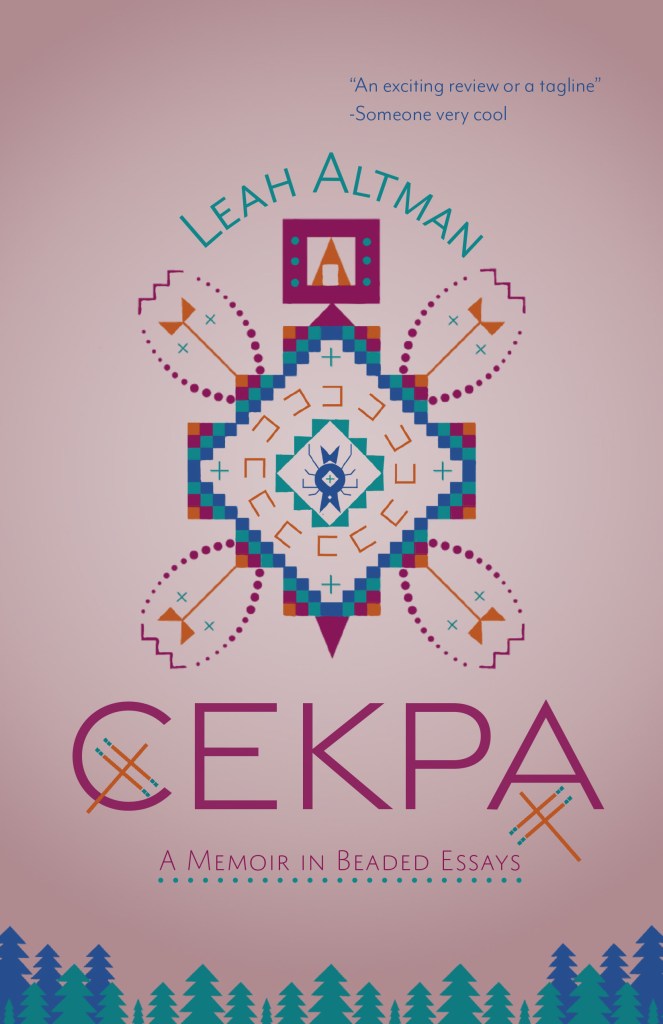
Cekpa by Leah Altman
Publication Date: November 2025
Galley Interior Design
Science and Medical Editing
Fact-Checking in Fiction and Nonfiction
Because of my background in science and medicine, I often catch errors in both fiction and nonfiction books. Where I see this most often is in books that aren’t about science or medicine, but reference it in analogies or small scenes. Coming across these errors while reading often makes me sad, because they’d be so quick and easy to fix or improve if only someone with a science background looked over the manuscript.
I’d like to be that person for authors, editors, and publishers. Your sci-med fix-it girl to the rescue. The person you can come to to run your science references and metaphors by for a quick thumbs or a “hey, let’s work on this.”
Here are specific areas I can assist with:
General Science and Medicine
- Classroom or studying scenes for any school level
- Lab scenes, whether school or professional
- Science and medical references
- Science and medical analogies and metaphors
Medical Training and Practice
- Medical training hierarchy – the difference between attendings, residents, interns, internists, medical students, and what each role means
- Adding realism to hospital and medical school scenes
- Clearing up misconceptions about the inner workings of medical training
Moon, Time, Seasons, and Cycles
- Where the moon can (and can’t) be in the sky when based on its phase
- Timing of days, dawns, and dusks based on season and place
I’ve come across errors in all of these topics in all sorts of books: murder mystery, dark academia, paranormal thrillers, memoirs, instructional nonfiction, locked-room horrors, and obsessively-researched sprawling absurdist novels.
One feature I’m going to include when re-launching my blog is to dissect these examples. I won’t give the book titles or the author names, because my point isn’t to call anyone out. I’ll walk through how I would’ve worked with each author, to demonstrate how easy it could be to address the mistakes and instill greater realism and accuracy in their books.
Book Fix-It Science and Medicine Examples Coming Soon!
Dissertation and Thesis Editing
This one is pretty straightforward! In editing graduate-level manuscripts, I do all the usual editing work while also checking for correct usage and spelling of scientific terms, and formatting of citations both in the text and in the back matter.
I’m also open to editing shorter works, such as papers and journal articles, in the same manner.
Thus far, my editing of these capstone graduate papers has all been in biochemistry, and I’m more than open to branching out into other sectors of life and medical sciences.
Tutoring and Coaching
Description of Services
Disability Advocacy
Description of Services
Tarot Readings
Description of Services
 Chrys Buckley